
What is Knee Osteotomy?
Knee osteotomy is a surgery that helps fix knee pain caused by uneven weight on the joint. Often, this pain comes from arthritis or injury. During knee osteotomy, a surgeon cuts and reshapes the bones around your knee. As a result, the pressure on the damaged part of your knee is reduced. Many people choose knee osteotomy to delay or avoid knee replacement surgery. This procedure is common for active adults who want to stay mobile.
Who Needs Knee Osteotomy?
Not everyone with knee pain needs this surgery. However, knee osteotomy is often recommended for:
For example, if you have pain mostly on the inside or outside of your knee, this surgery may help. But, if you have severe arthritis in the whole knee, other treatments may be better.
Symptoms and Diagnosis
Many people notice knee pain that gets worse with activity. Sometimes, the knee may feel stiff or swollen. In some cases, your leg may look slightly bent. Doctors use several steps to diagnose the problem:
After these tests, your doctor will decide if knee osteotomy surgery is right for you. Early diagnosis can lead to better results.
The Knee Osteotomy Procedure
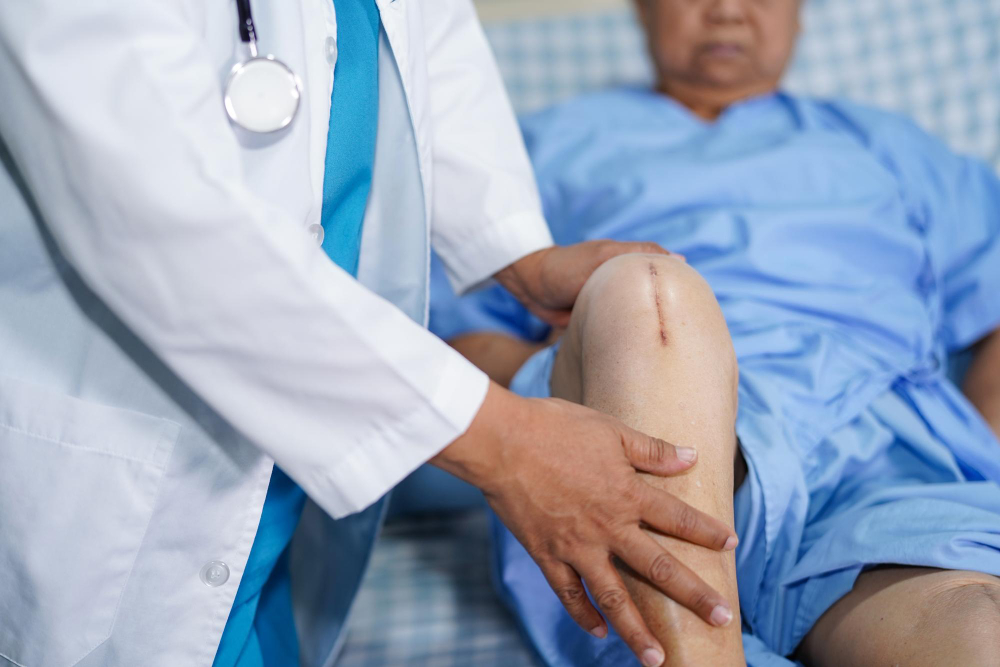
First, your surgeon will explain the steps. During the surgery, you will get anesthesia to keep you comfortable. Next, the surgeon makes a small cut near your knee. Then, they cut and reshape the bone. Sometimes, they add a wedge of bone or a special plate to hold the new shape. Finally, the cut is closed with stitches. Most knee osteotomy surgeries take about one to two hours. You may stay in the hospital for a day or two.
Benefits of Knee Osteotomy
Knee osteotomy offers several benefits, especially for younger or active people. Some key benefits include:
Additionally, many people return to sports or work after recovery. According to orthopedic studies, knee osteotomy can help patients stay active for many years.
Risks and Possible Complications
Like all surgeries, knee osteotomy has some risks. However, most people recover well. Possible risks include:
Even though these risks exist, doctors take steps to lower them. For example, you may get medicine to prevent blood clots. Always talk to your doctor about knee osteotomy risks before surgery.
Recovery and Aftercare
Recovery after knee osteotomy takes time and care. Right after surgery, you may need crutches or a walker. Most people start gentle exercises within a few days. Physical therapy helps you regain strength and movement. Usually, you can put weight on your leg after six to eight weeks. Full recovery after knee osteotomy may take three to six months. However, following your doctor’s advice can speed up healing. Always attend follow-up visits to check your progress.
Prevention and Lifestyle Tips
While not all knee problems can be prevented, you can lower your risk. Here are some helpful tips:
In addition, see a doctor early if you notice knee pain. Early care can prevent further damage and may help you avoid surgery.
Conclusion
Knee osteotomy can relieve pain and improve movement for many people. However, it is important to weigh the benefits and risks. If you have knee pain, consult Dr. Venu Gopal to learn if knee osteotomy is right for you.