
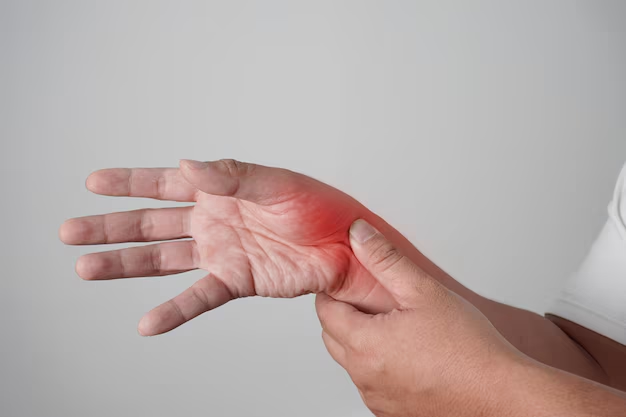
What is De Quervain’s Disease?
De Quervain’s Disease is a painful condition that affects the tendons on the thumb side of your wrist. Many people call it “thumb tendonitis.” It can make simple tasks, like gripping or lifting, very hard. Often, people notice pain when they turn their wrist or hold objects. This condition is one of the common wrist pain causes. According to the CDC, it is not rare and can affect anyone, but it is more common in adults.
Common Symptoms
Recognizing the symptoms early can help you get the right treatment. Usually, De Quervain’s Disease causes pain and swelling near the base of the thumb. In addition, you may notice:
Sometimes, the pain can spread up the forearm. For example, lifting a child or twisting a jar lid may make the pain worse.
Causes and Risk Factors
There are several causes and risk factors for De Quervain’s Disease. Most often, it happens because of overuse or repetitive hand movements. However, other factors can play a role:
Because these factors can add up, it is important to watch for early signs. If you notice pain, try to rest your hand and avoid activities that make it worse.
Diagnosis Methods
Doctors use several methods to diagnose De Quervain’s Disease. First, your doctor will ask about your symptoms and medical history. Next, they will examine your hand and wrist. Often, they use a simple test called the Finkelstein test. During this test, you make a fist with your thumb inside your fingers. Then, you bend your wrist toward your little finger. If this causes pain, it may be De Quervain’s Disease. Sometimes, doctors may order X-rays to rule out other problems, but imaging is not always needed.
Treatment Options
There are many ways to treat De Quervain’s Disease. The goal is to reduce pain and swelling. Treatment can be non-surgical or surgical, depending on how severe your symptoms are.
Non-Surgical Treatments
Most people feel better with these treatments. However, it may take several weeks for symptoms to improve.
Surgical Treatment
If non-surgical treatments do not help, surgery may be needed. During surgery, the doctor releases the tight sheath around the tendons. This allows the tendons to move freely. Surgery is usually quick, and most people recover well. Still, you may need physical therapy after surgery to regain strength and movement.
Prevention Tips and Lifestyle Guidance
While you cannot always prevent De Quervain’s Disease, you can lower your risk. Here are some tips:
Additionally, if you notice pain, stop the activity and rest your hand. Early care can help prevent the problem from getting worse.
When to See a Doctor
Sometimes, home care is not enough. You should see a doctor if:
Early treatment can help you avoid long-term problems. For example, seeing a doctor early can lead to faster recovery and less pain.
In summary, De Quervain’s Disease can cause pain and limit your daily activities. However, with the right care, most people recover fully. Consult Dr. Venu Gopal for personalized advice on De Quervain’s Disease.