
What Is PRP in Orthopedics?
PRP in orthopedics stands for Platelet-Rich Plasma therapy. Doctors use it to help heal joint and tendon problems. PRP comes from your own blood. It contains a high number of platelets, which are tiny cells that help with healing. Many people choose PRP because it is natural and uses your own body’s cells.
How Does PRP Therapy Work?
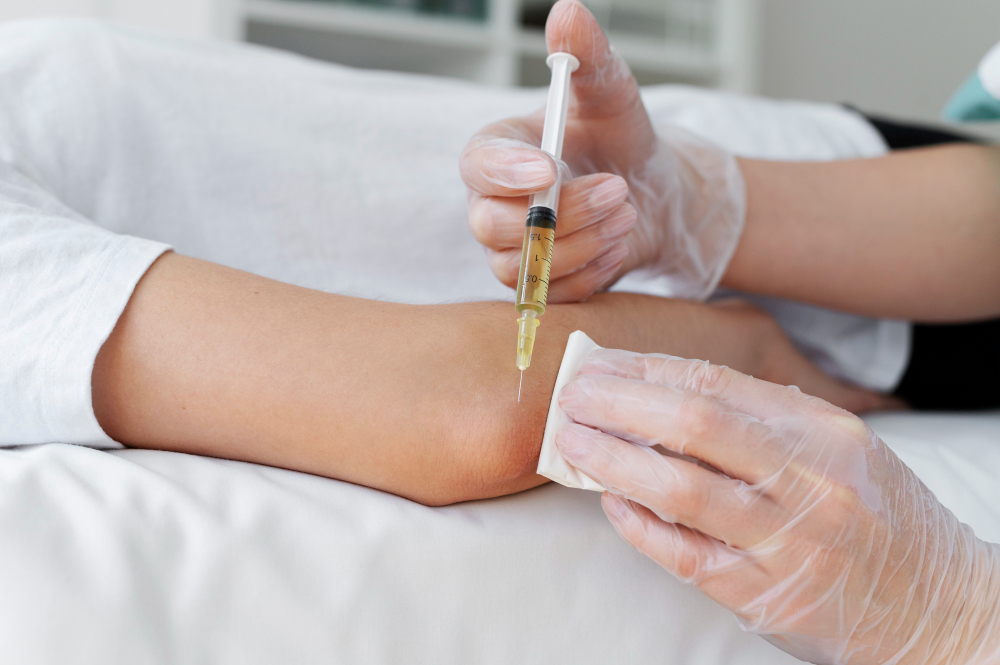
First, a doctor takes a small amount of your blood. Next, they spin it in a machine to separate the platelets. After that, the doctor injects the platelet-rich plasma into the injured area. Because platelets release growth factors, they help your body heal faster. As a result, PRP therapy can speed up recovery for many orthopedic injuries.
Common Orthopedic Conditions Treated with PRP
Doctors use PRP in orthopedics for several joint and tendon problems. For example, it can help with:
In addition, PRP may help with muscle strains and some ligament injuries.
Benefits and Effectiveness of PRP in Orthopedics
Many people ask about the benefits of PRP in orthopedics. Some key advantages include:
According to studies, PRP therapy can help some people feel better and move more easily. However, results may vary. Some people notice improvement within weeks, while others may need more time.
The PRP Procedure: What to Expect
Knowing what to expect can help you feel more comfortable. Here is a simple outline of the PRP procedure:
Most people feel only mild discomfort during the injection. The whole process usually takes less than an hour.
Recovery and Aftercare Tips
After PRP treatment, you may have mild pain or swelling. However, these symptoms often go away within a few days. To help your recovery:
In many cases, your doctor may suggest gentle movement or physical therapy. This can help you heal faster and regain strength.
Potential Risks and Side Effects
PRP in orthopedics is usually safe. Because it uses your own blood, the risk of infection or allergic reaction is low. Still, some people may notice:
Serious side effects are rare. However, always tell your doctor if you have any concerns after treatment.
Prevention and Lifestyle Guidance for Joint and Tendon Health
Even after PRP therapy, taking care of your joints and tendons is important. Here are some tips:
By following these steps, you can help prevent future injuries and keep your joints healthy.
Conclusion
In summary, PRP in orthopaedics offers a natural way to help heal joint and tendon problems. It uses your own blood, has a low risk of side effects, and may help you recover faster.
If you have joint pain or injury, consult Dr. Venu Gopal to learn if PRP therapy is right for you.