What is ORIF?
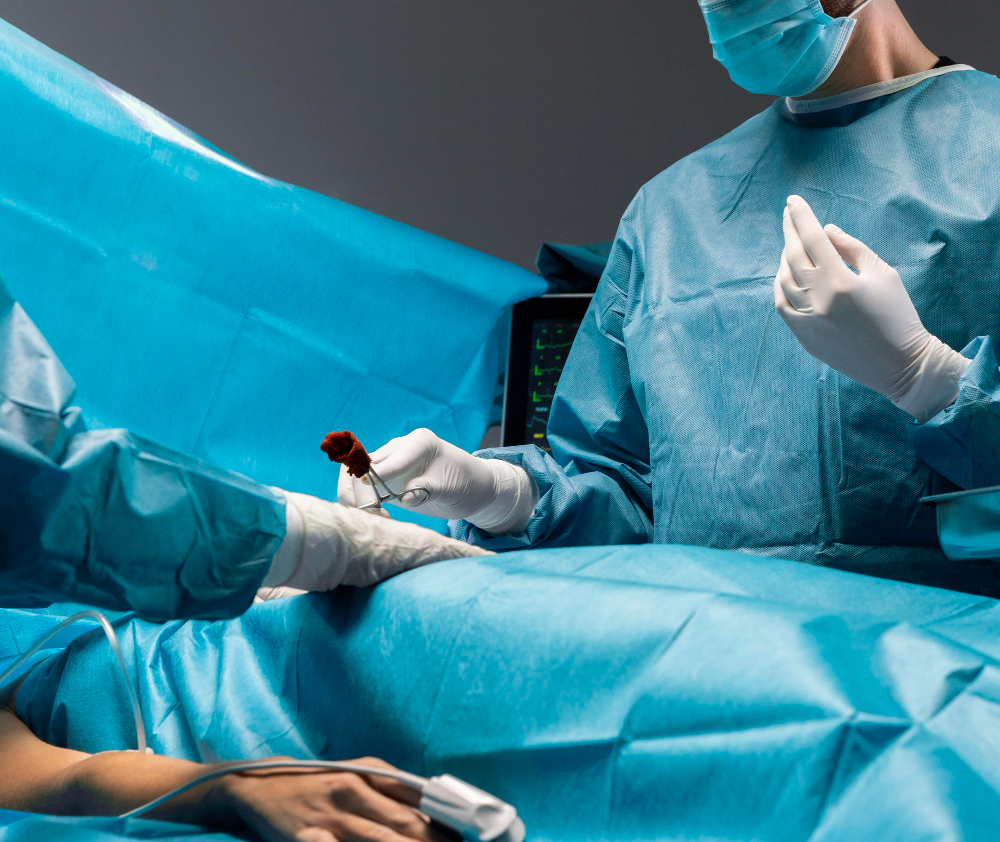
ORIF (Open Reduction and Internal Fixation) is a surgery used to fix broken bones. Doctors use this method when a bone breaks into two or more pieces and cannot heal on its own. During ORIF, the surgeon puts the bone pieces back in place and holds them together with metal plates, screws, or rods. This helps the bone heal straight and strong. ORIF is a common treatment for serious fractures that need extra support.
When is ORIF Needed?
Doctors recommend ORIF when a broken bone cannot heal with a cast or splint alone. For example, if the bone is out of place or the skin is broken, ORIF may be needed. Some common fractures treated with ORIF include:
Sometimes, children or adults with weak bones may also need ORIF. In many cases, the goal is to help the bone heal properly and restore movement.
The ORIF Procedure
Before surgery, your doctor will explain the steps and answer your questions. Here is what usually happens during an ORIF procedure:
After surgery, you will rest in a recovery room. Nurses will check your pain and comfort. ORIF surgery usually takes one to three hours, depending on the bone and the break.
Recovery After ORIF
Recovery after ORIF surgery takes time and care. At first, you may feel pain or swelling. Your doctor will give you medicine to help with pain. Most people stay in the hospital for a day or two. However, some may go home the same day. Here is what to expect after ORIF:
Physical therapy is important for regaining strength and movement. Recovery time depends on the bone and your health. For example, some people heal in six weeks, while others need several months. ORIF surgery recovery is faster if you follow your doctor’s advice.
Risks and Complications
Like any surgery, ORIF has some risks. Most people recover well, but problems can happen. Possible risks and complications include:
To lower these risks, doctors use clean tools and careful methods. You can help by keeping the wound clean and following all care instructions. If you notice redness, fever, or more pain, call your doctor right away. According to the CDC, infection rates after ORIF are low when proper care is taken.
Tips for a Smooth Recovery
Recovering from ORIF surgery can be easier with the right steps. Here are some tips to help you heal well:
With these steps, you can lower the chance of problems and get back to your normal life sooner.
Frequently Asked Questions about ORIF
Conclusion and Call-to-Action
ORIF (Open Reduction and Internal Fixation) is a safe and effective way to treat serious bone fractures. While recovery takes time, most people return to their normal activities with proper care. If you have questions about ORIF surgery recovery, ORIF procedure risks, or what to expect after ORIF, talk to your doctor.
Consult Dr. Venu Gopal, an orthopaedic specialist, for personalised guidance on ORIF and the best care for your recovery needs.