
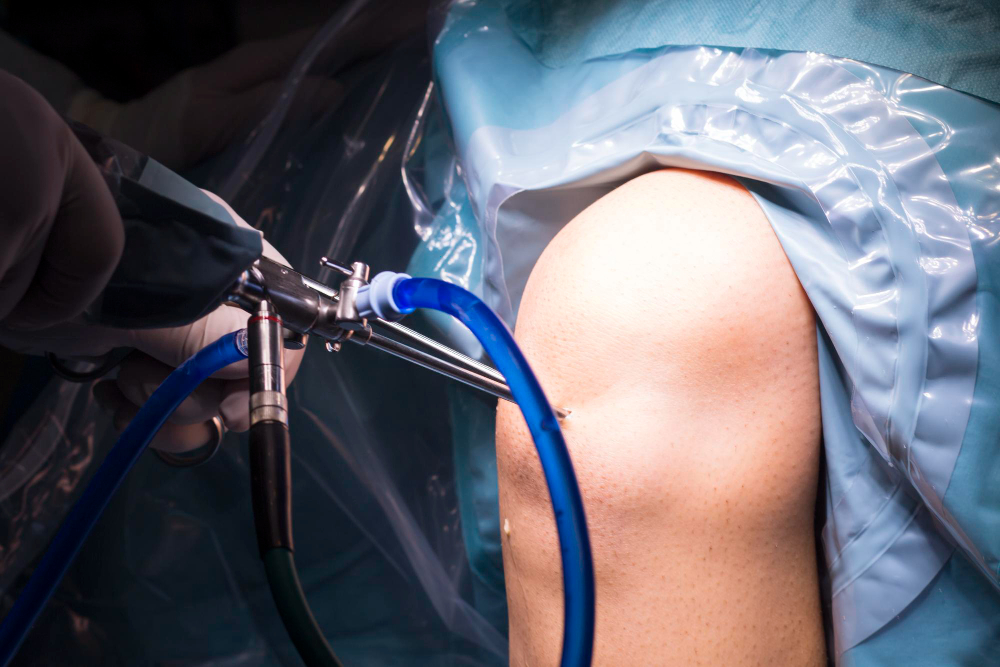
What is Knee Arthroscopy?
Knee arthroscopy is a type of minimally invasive knee surgery. Doctors use a small camera, called an arthroscope, to look inside your knee. Because the cuts are small, healing is often faster than with open surgery. Many people choose knee arthroscopy for knee pain or injuries. This procedure helps doctors see and treat problems inside the knee joint.
Common Reasons for Knee Arthroscopy
Doctors may suggest knee arthroscopy for several reasons. For example, it can help diagnose or treat:Torn meniscus (cartilage in the knee)Damaged or torn ligamentsLoose bone or cartilage piecesKnee infectionsSwollen or painful joint liningKnee pain that does not improve with other treatments
Often, knee arthroscopy is used when other treatments, like rest or physical therapy, do not work.
How the Procedure Works
First, your doctor will give you anesthesia to keep you comfortable. Next, small cuts are made around your knee. Then, the arthroscope is placed through one cut. Special tools go through the other cuts. The doctor looks at your knee on a screen and fixes any problems. Usually, the whole arthroscopic knee procedure takes less than an hour. Afterward, you will rest in a recovery area before going home.
Benefits of Knee Arthroscopy
Knee arthroscopy offers many advantages over open surgery. Some key benefits include:Smaller cuts and less scarringShorter knee arthroscopy recovery timeLess pain after surgeryLower risk of infectionFaster return to daily activities
Because the surgery is less invasive, many people recover quickly and feel better sooner.
Risks and Possible Complications
Although knee arthroscopy is safe, all surgeries have risks. Some possible problems include:Infection at the cut sitesBleeding or swellingBlood clots in the legStiffness or pain in the kneeDamage to nerves or blood vessels
However, most people do not have serious issues. Still, it is important to follow your doctor’s advice to lower your risk.
Recovery and Aftercare
After knee arthroscopy, you can often go home the same day. For a few days, you may need to use crutches or a knee brace. You should keep your leg raised and use ice to reduce swelling. Your doctor will give you instructions on caring for your cuts. Physical therapy may help you regain strength and movement. Most people return to normal activities within a few weeks, but full recovery can take longer for some.
Tips for a Smooth Recovery
To help your knee heal well, try these tips:Follow all instructions from your doctorKeep your knee clean and dryUse ice packs to ease pain and swellingTake pain medicine as directedDo gentle exercises or physical therapyWatch for signs of infection, like redness or fever
With proper care, you can help your knee recover faster and avoid problems.
When to Consult an Orthopedic Surgeon
If you have knee pain that does not improve with rest or medicine, you should see a doctor. Sometimes, swelling, locking, or trouble moving your knee can mean a bigger problem. An orthopedic specialist can check your knee and suggest the best treatment. Early care can help you avoid more serious issues later.
For more information, consult Dr. Venu Gopal, an orthopedic specialist, to discuss if knee arthroscopy is right for you.