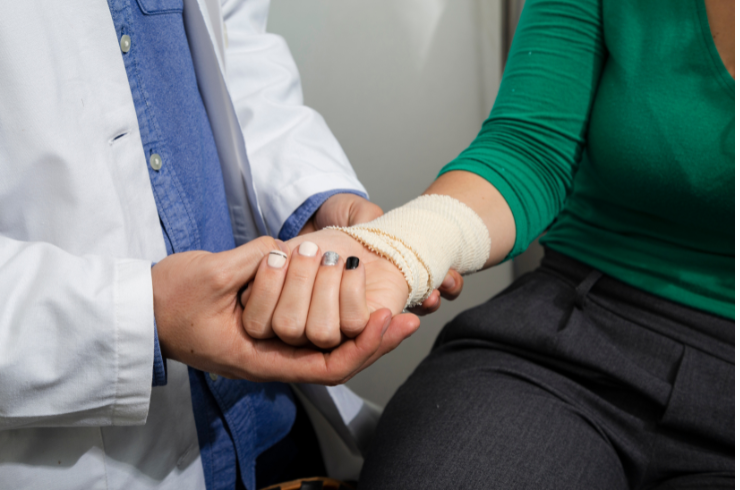
Trauma and fracture injuries require immediate attention and skilled management to prevent long-term complications. Whether caused by accidents, falls, sports activities, or high-impact injuries, timely and accurate treatment is essential for proper healing. Our Trauma & Fracture Care service provides comprehensive evaluation, emergency management, and advanced orthopedic treatment to restore stability, function, and mobility.
We handle everything from simple fractures to complex trauma involving multiple bones and joints. With expert clinical judgment, modern diagnostic tools, and precise surgical and non-surgical techniques, we ensure each patient receives the right level of care based on the severity of their injury.
Trauma refers to physical injuries caused by external force, while fractures are breaks or cracks in bones. These injuries can affect any age group and often require specialized care to prevent deformity, stiffness, or long-term disability.
Patients with fractures or trauma-related injuries may experience:
Severe pain at the injury site
Swelling, bruising, or deformity
Difficulty moving the affected limb
Inability to bear weight
Numbness or tingling
Visible bone misalignment
Restricted range of motion
We manage a wide variety of fracture conditions, including:
Simple/closed fractures
Open/compound fractures
Hairline or stress fractures
Comminuted (multiple fragments) fractures
Dislocations and subluxations
Joint fractures (hip, knee, ankle, shoulder)
Pediatric fractures
Complex trauma involving multiple bones
Post-traumatic deformities
Accurate diagnosis is crucial for effective treatment. We use:
Clinical evaluation and movement tests
X-rays to identify bone alignment and fracture type
CT scans for complex or multiple fractures
MRI for soft tissue injuries associated with trauma
Many fractures can heal without surgery when treated promptly and correctly. Non-surgical methods include:
Immobilization using casts, braces, or splints
Pain and anti-inflammatory medications
Closed reduction for bone realignment
Physiotherapy to restore strength and mobility
Activity modification and weight-bearing guidance
When fractures are severe, unstable, or improperly aligned, surgical intervention may be necessary. Surgical options include:
Internal fixation with plates, screws, or rods
External fixation for complex or open fractures
Minimally invasive fracture stabilization
Joint reconstruction for major trauma
Correction of malunited or non-healing fractures
Rehabilitation supports complete healing and optimal function. Our rehab programs focus on:
Improving mobility and flexibility
Strengthening surrounding muscles
Enhancing joint stability
Restoring full use of the injured limb
Safe return to daily activities or sports
Expertise in both simple and complex trauma
Modern diagnostic tools for precise evaluation
Evidence-based surgical and non-surgical treatments
Personalized rehabilitation plans
Commitment to fast recovery and long-term function
Our goal is to provide safe, effective, and comprehensive care that ensures complete healing and restores quality of life after trauma or fracture injuries.